
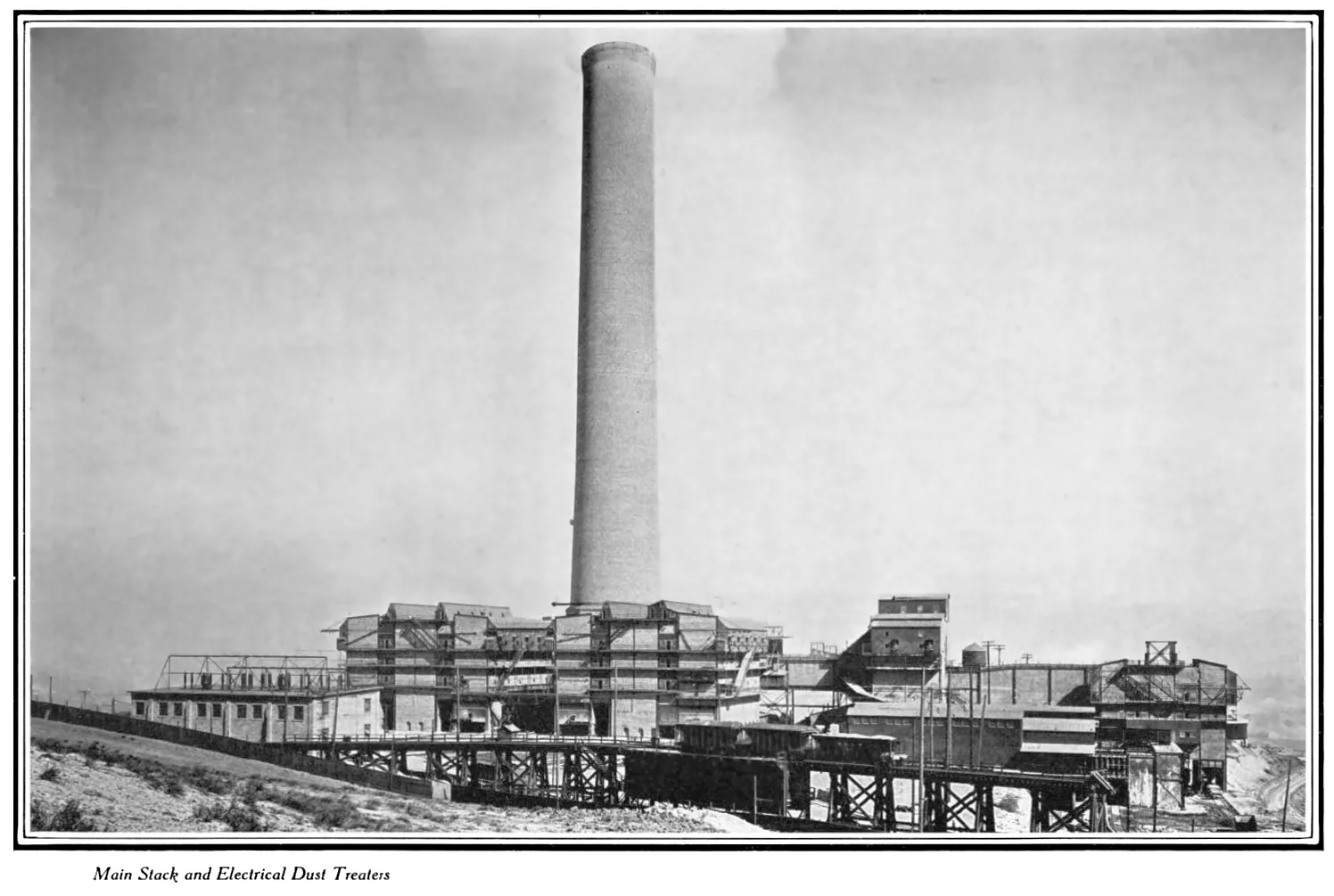
A reindustrialization story

COPPER

Eight thousand years of the metal that built America, and the fight to make it here again.
I
Deep Roots
6500 BCE – 1600 CE
Copper was the first metal in North America, mined and traded for thousands of years before Europeans arrived.
I · Deep Roots
6500 BCE

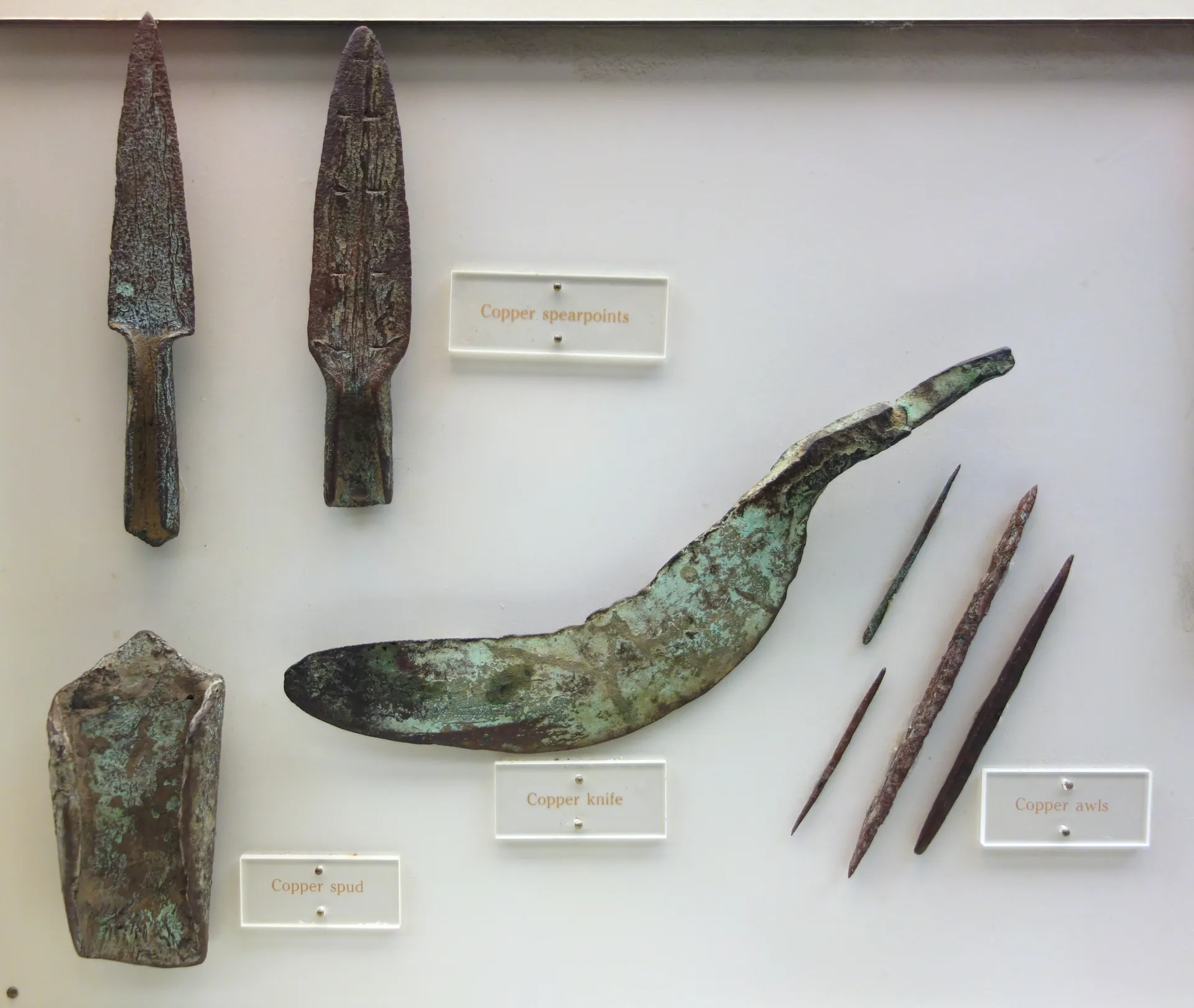
The Old Copper People

On the shore of Lake Superior, Archaic peoples hammered pure native copper into tools. It is among the oldest metalworking anywhere on Earth.
National Park Service
Daderot · CC0
4000 BCE
Buried with copper
Copper tools laid in graves at Oconto: the metal already carried meaning.
1000 BCE
Tools become treasure
Copper shifts from blades to ornaments of status and rank.
I · Deep Roots
200 BCE

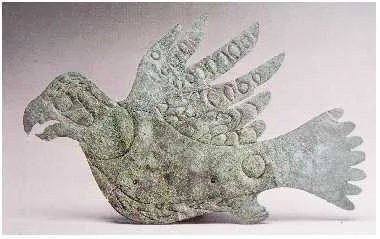
The Hopewell road

Lake Superior copper worked into falcons in Ohio, traded across a continent.
National Park Service
Wikimedia Commons · Wikimedia Commons (confirm on file page)
I · Deep Roots
1250 CE

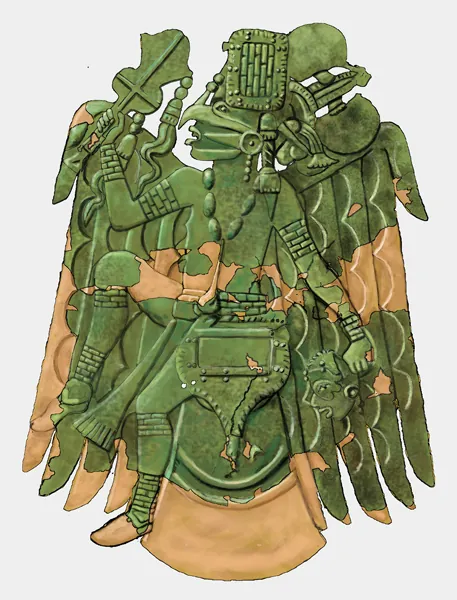
The Birdman of Etowah

Mississippian artisans beat copper into falcon-warriors, carried from Cahokia across half a continent.
Smithsonian Institution
Herb Roe, www.chromesun.com · CC BY-SA 3.0
1300s
The Wulfing cache
Eight repoussé plates, plowed up in a Missouri field in 1906.
II
Colonial & Republic
1600s – 1830s
The first mines and coins, the first steam engine, and the man who taught America to roll its own copper.
1644
Hunting American ore
New England's alchemist-governor prospects the colonies for metal.
II · Colonial & Republic
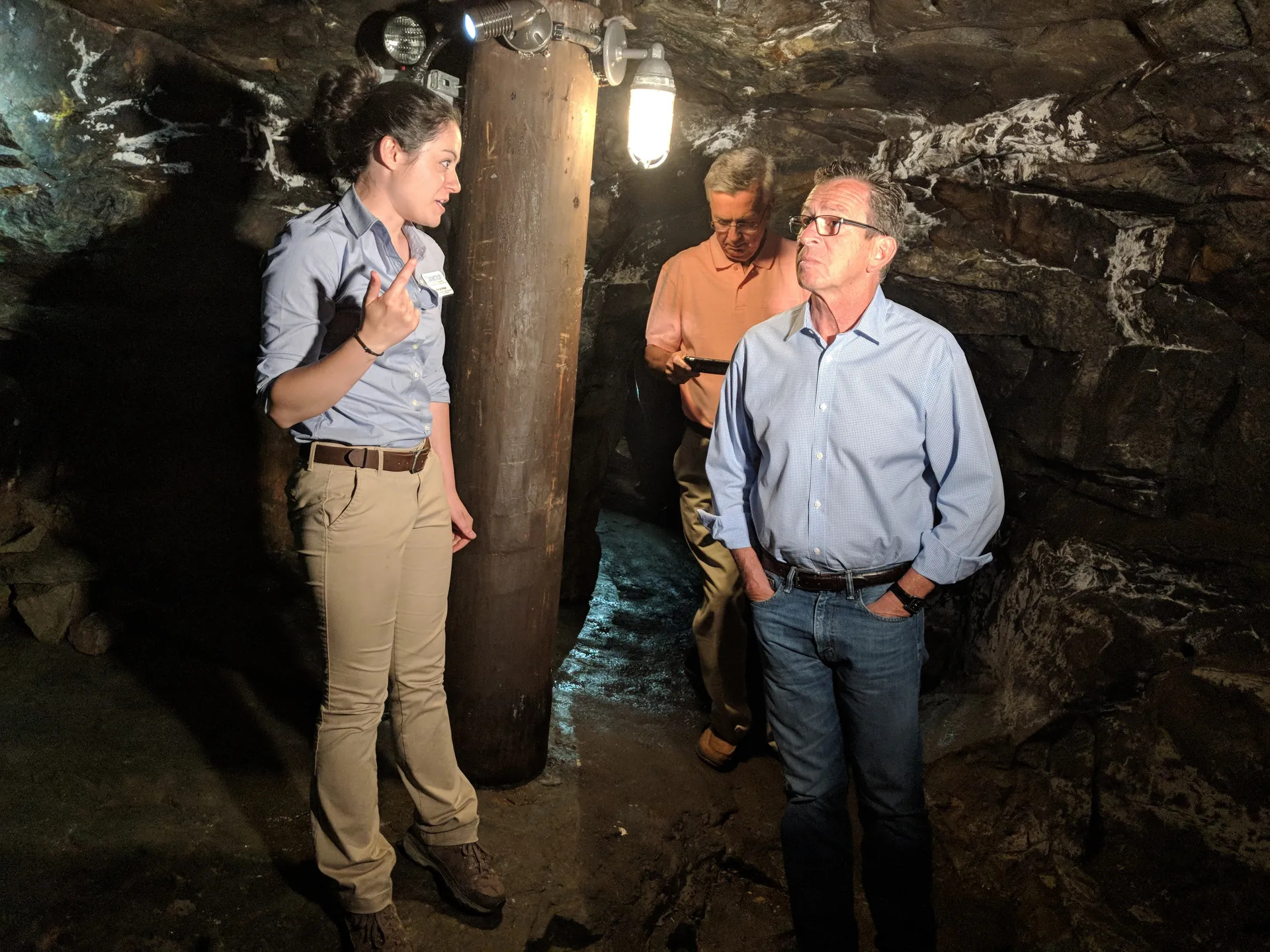
1707

The mine that became a prison

British America's first chartered copper mine ran dry, then held Revolutionary prisoners deep in its worked-out shafts.
Connecticut DECD
Dannel Malloy · CC BY 2.0
1721
First profit in copper
New Jersey's Schuyler mine ships ore to Holland.
1737
The first copper coins
A Connecticut doctor strikes copper coins from his own ore.
1755
Steam comes to America
To drain the Schuyler mine, the first steam engine in the colonies goes to work.
II · Colonial & Republic
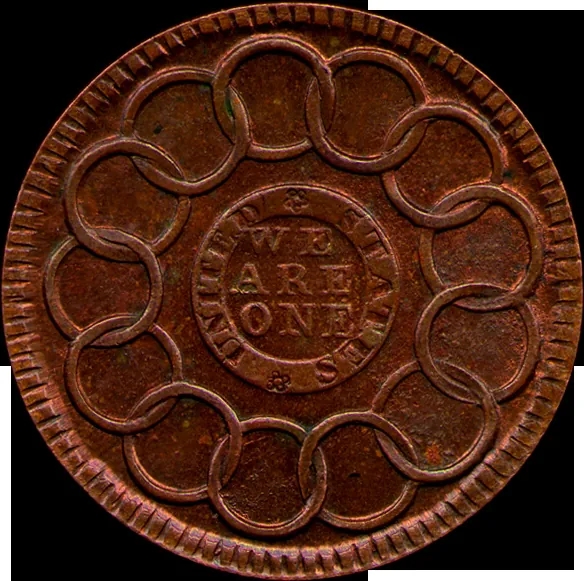
1787

The republic, in copper

The first coin the United States ever issued was copper. Franklin's design read 'Mind Your Business.'
Smithsonian NMAH
Unknown, purportedly Benjamin Franklin. · Public domain
II · Colonial & Republic
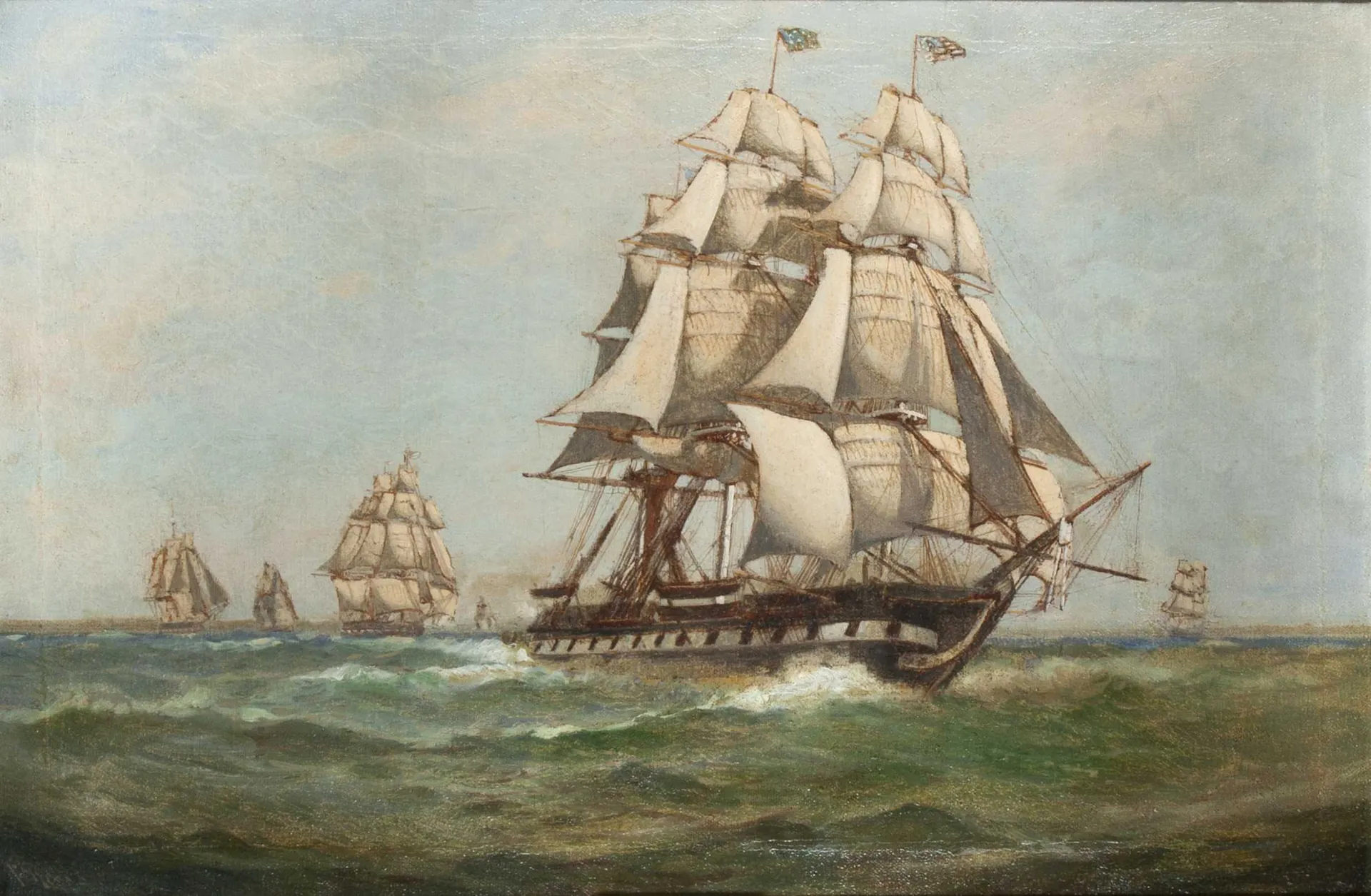
1797

Copper for Old Ironsides

Paul Revere's bolts and spikes held the young navy's most famous frigate together.
USS Constitution Museum
C. Myron Clark · Public domain
II · Colonial & Republic
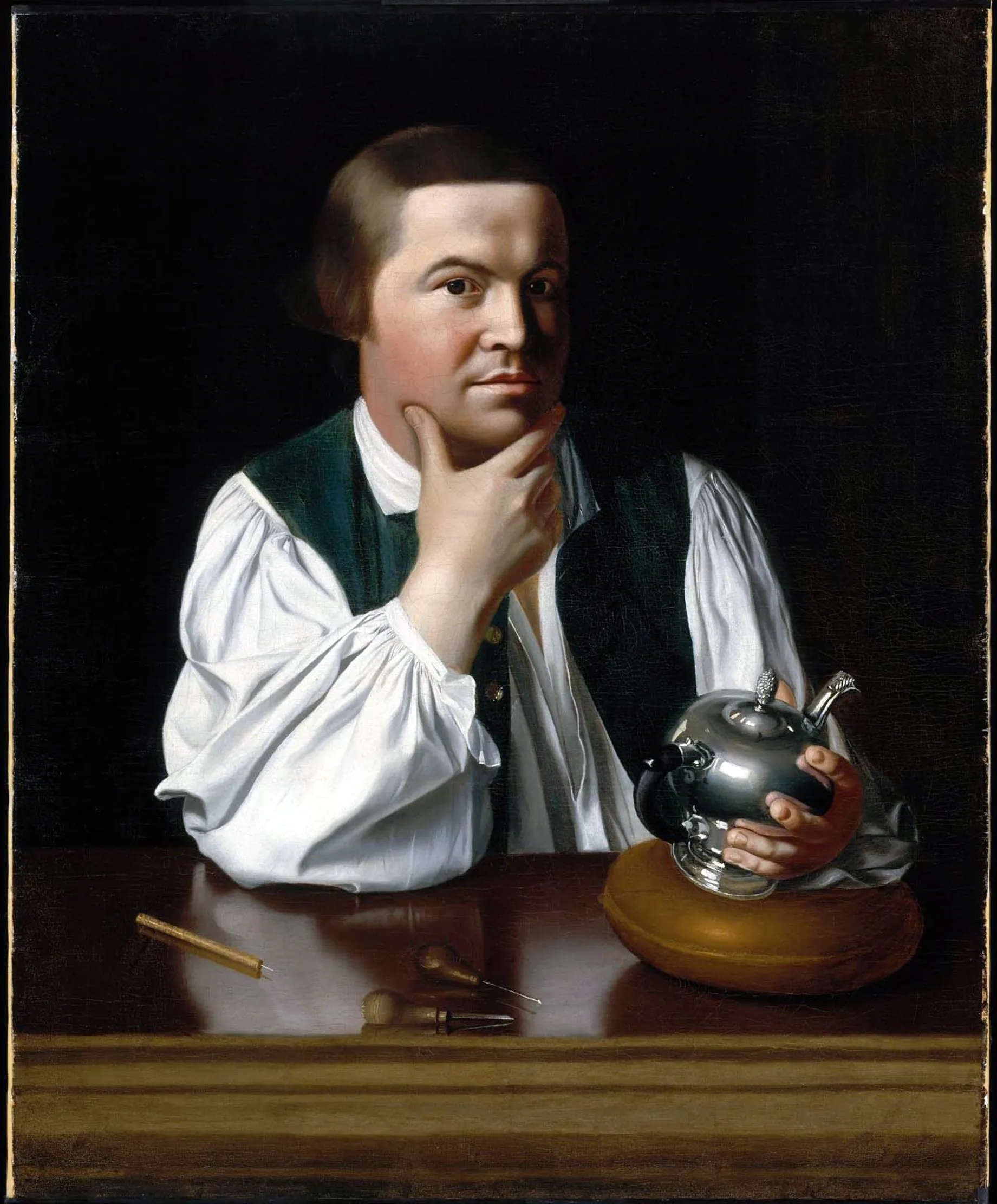
1801

Revere breaks the monopoly

At sixty-five, the silversmith became the first American to roll sheet copper, ending reliance on British mills.
Paul Revere House
John Singleton Copley · Public domain
III
The Lake Superior Boom
1840 – 1900
America's first mineral rush, and the decades one Michigan peninsula supplied the nation.
III · The Lake Superior Boom
1841

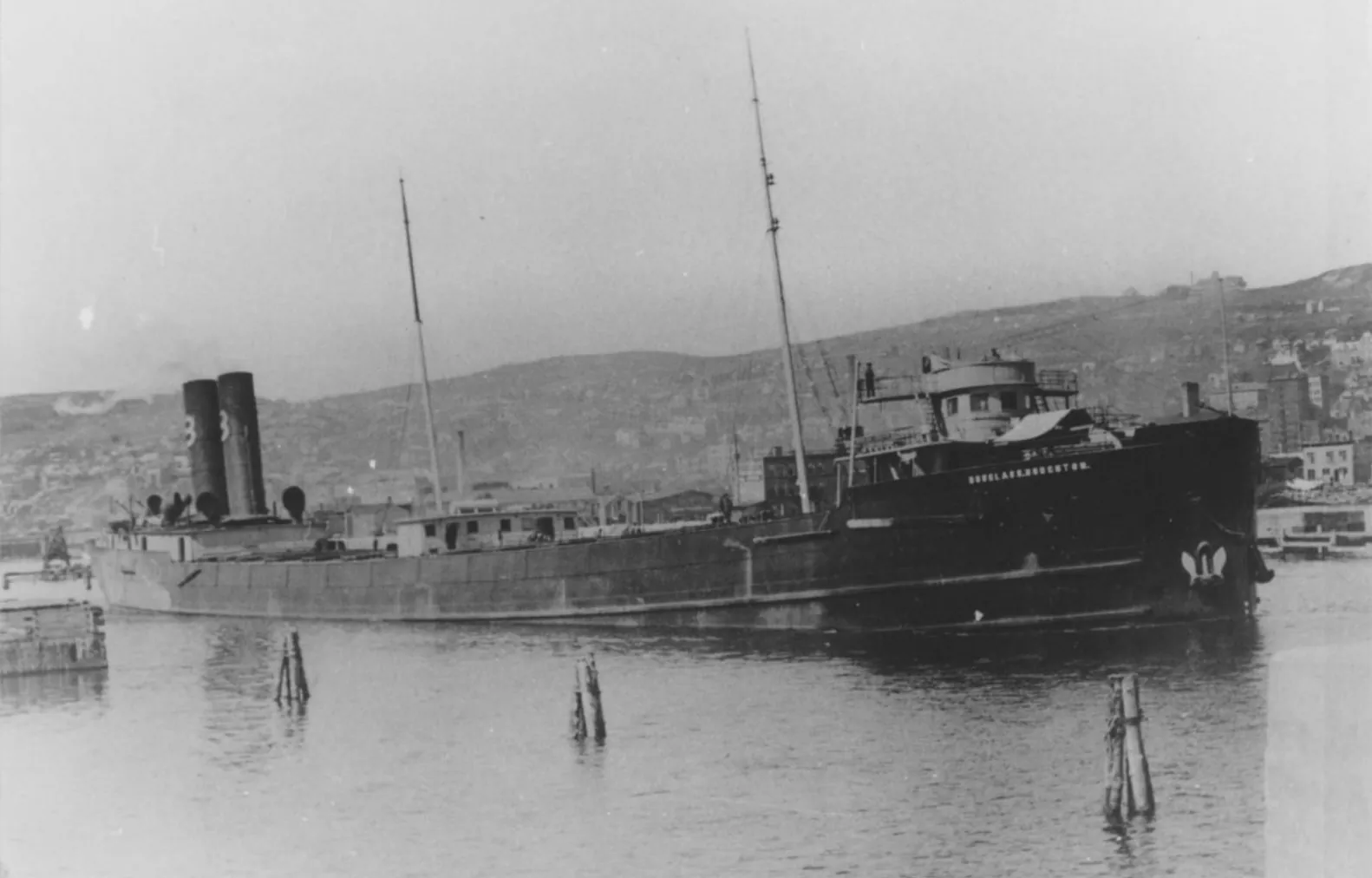
The report that lit the rush

A state geologist mapped the Keweenaw's copper and set off America's first mineral rush, eight years before California's gold.
Michigan Technological University
United States Army Corps of Engineers · Public domain
III · The Lake Superior Boom
1843

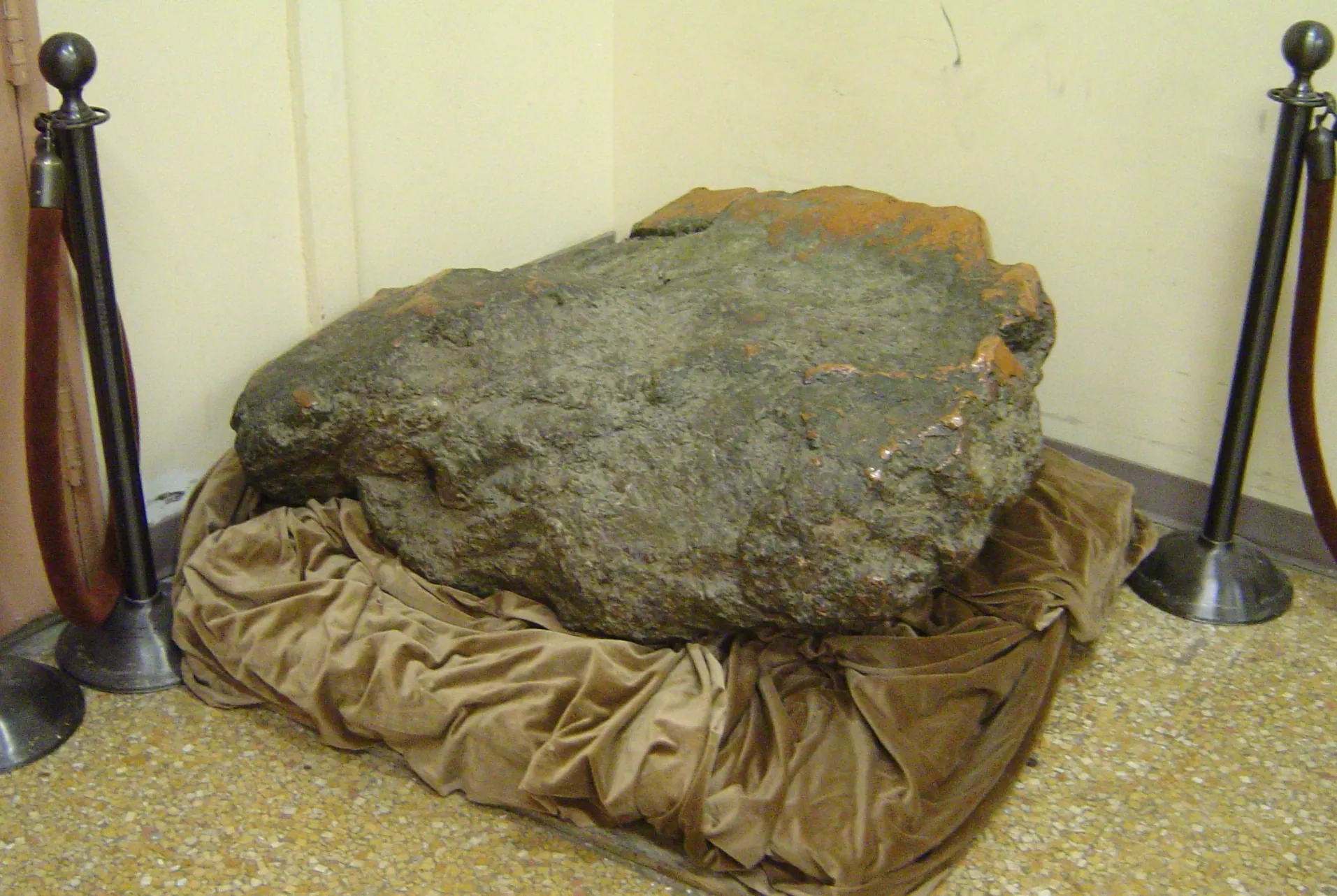
Two tons of pure copper

A single mass of native copper, revered by the Ojibwe, was hauled off to the Smithsonian.
Smithsonian · Michigan EGLE
Ian Shackleford · CC0
1842
The land is ceded
The Ojibwe cede the copper country. The rush now has its legal ground.
1844
Boomtowns and a fort
Copper Harbor fills with prospectors; the Army builds Fort Wilkins to keep order.
1845
The Cliff pays off
The Cliff hits mass copper and becomes the nation's top producer.
1856
A 500-ton lump
Miners chisel apart a single mass of pure copper underground.
III · The Lake Superior Boom
1846

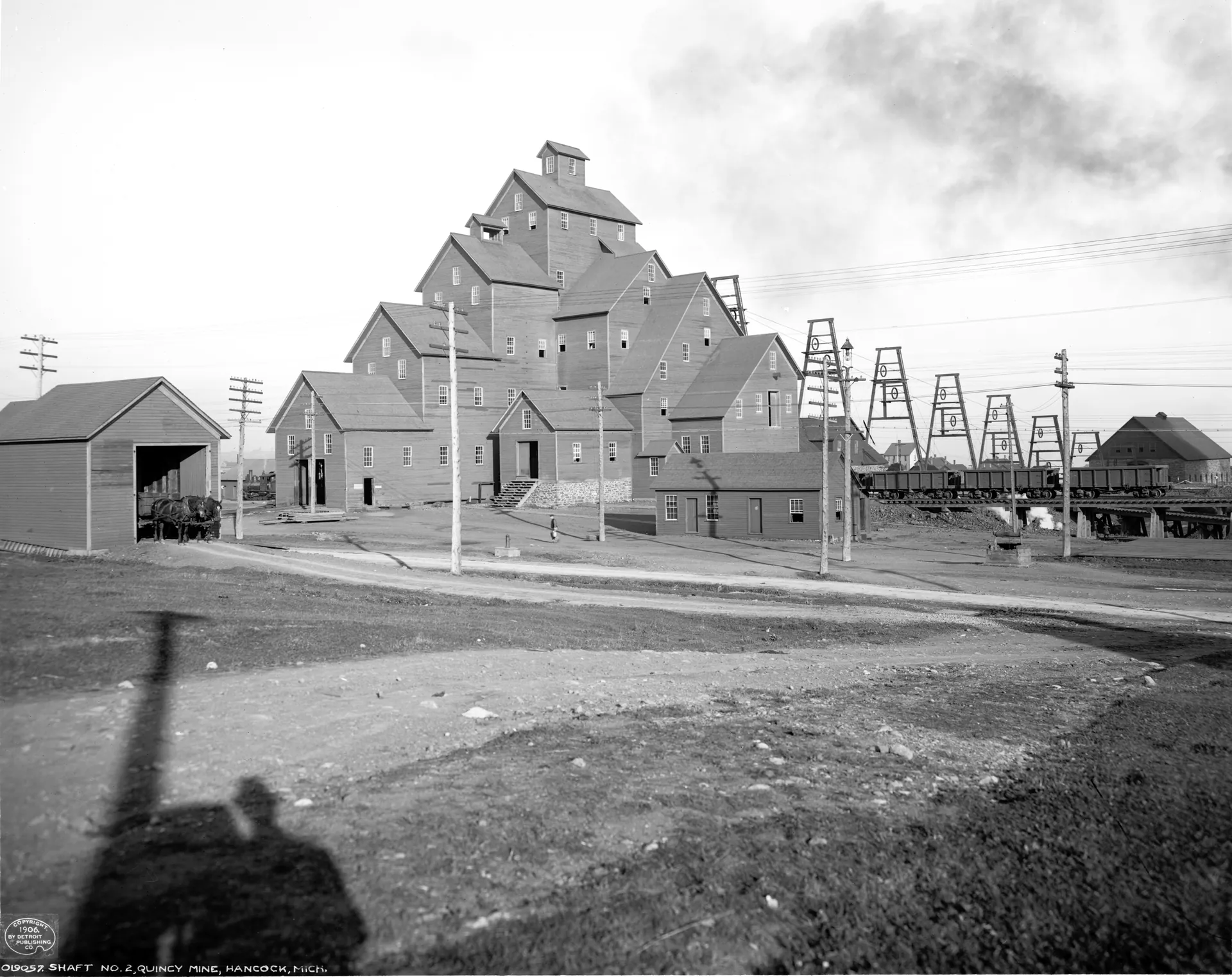
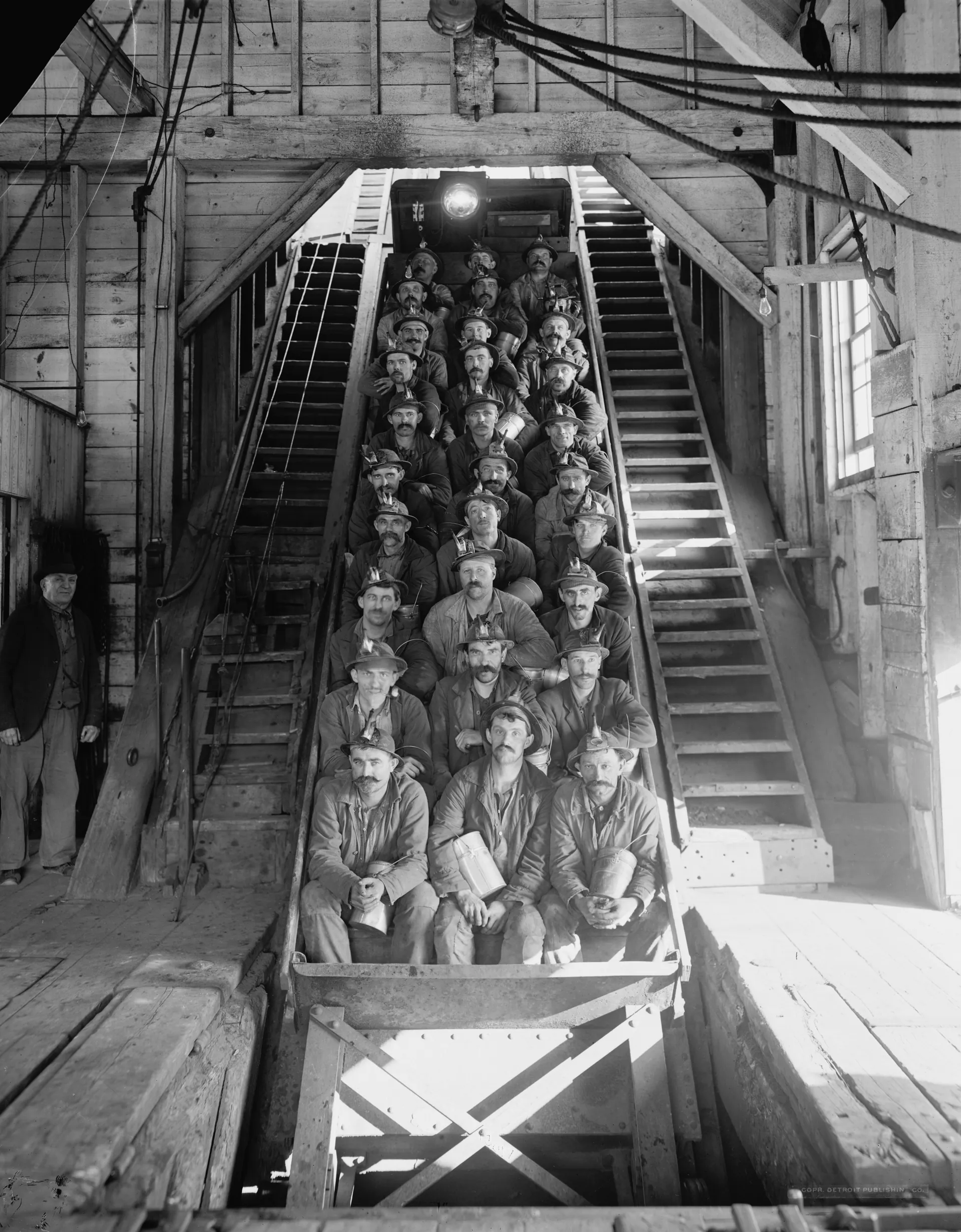
The Old Reliable

Quincy paid a dividend every year for half a century, its shaft sinking more than a mile and a half into rock.
National Park Service
Detroit Publishing Co · Public domain
1863
Copper arms the Union
Michigan metal for percussion caps, bronze cannon, and telegraph wire.
III · The Lake Superior Boom
1871

The richest mine of its day

One Michigan company produced more than half the nation's copper and paid out over a hundred million dollars.
Archives of Michigan
Detroit Publishing Company Collection · Public domain
1870s
The company-town world
Cornish, Finnish, and Italian miners build a life bound to the firm.
1869
One peninsula, one nation
In a single year Michigan mines over 95 percent of America's copper.
1887
The West takes the lead
Montana overtakes Michigan. The center of copper moves west.
IV
The Electrical Age
1880 – 1913
Butte, Arizona, and the open pit, when copper became the metal that carried electricity.
1880
Digging for silver, finding copper
In Butte, Marcus Daly strikes copper where he expected silver.
IV · The Electrical Age
1882

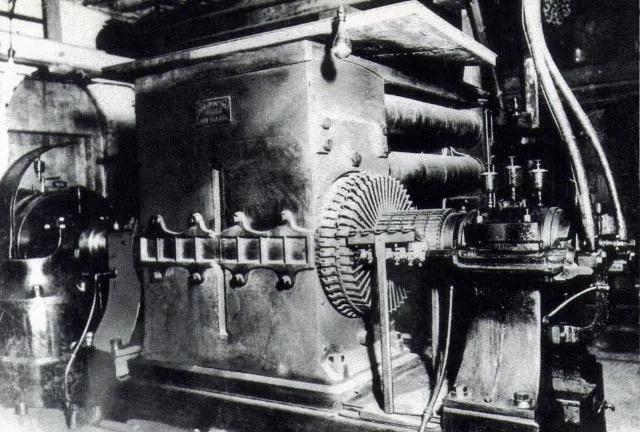
The night the grid switched on

Edison lit lower Manhattan from the first central power plant. Every wire in it was copper.

IEEE ETHW
Unknown authorUnknown author · Public domain
IV · The Electrical Age
1884

The Richest Hill on Earth

Daly's Butte grew into a copper city, its smelters reddening the Montana sky.

Anaconda, Montana, 1920
Wikimedia Commons · Public domain (1920)
1885
Phelps Dodge takes Arizona
Bisbee's Copper Queen turned the desert Southwest into the country's next copper frontier.
1888
A fortune at Jerome
William Clark pours capital into the United Verde mine in Arizona.
1890s
Purified by current
Electrolytic refining lifts copper to the grade electricity demands.
1893
The Gibraltar of unionism
Butte's miners organize into one of the strongest unions in the country.
1899
The copper trusts
Guggenheim and Standard Oil money forges Anaconda and ASARCO.
IV · The Electrical Age
1899

A Senate seat, bought

William Clark bribes his way to Washington. The copper wars turn political.
Library of Congress
Library of Congress, Prints & Photographs · Library of Congress (pre-1929; rights not formally evaluated)
IV · The Electrical Age
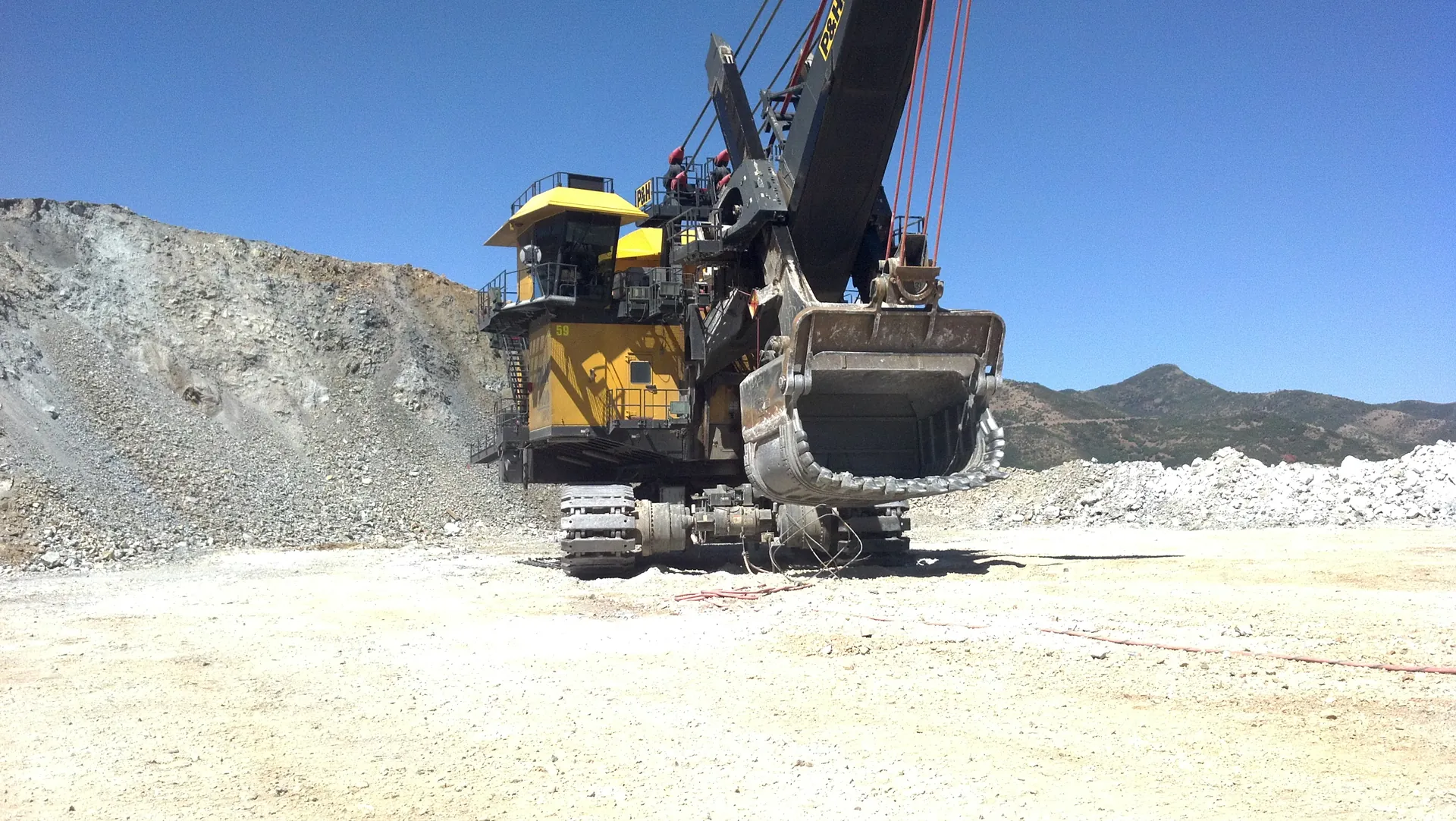
1906

Mining the unminable

Daniel Jackling's 1906 open pit made copper cheap enough to wire a nation. The same ground is mining still, more than a century on.
Bingham Canyon, Utah
Modern photograph · Jet6581 · CC BY-SA 3.0
IV · The Electrical Age
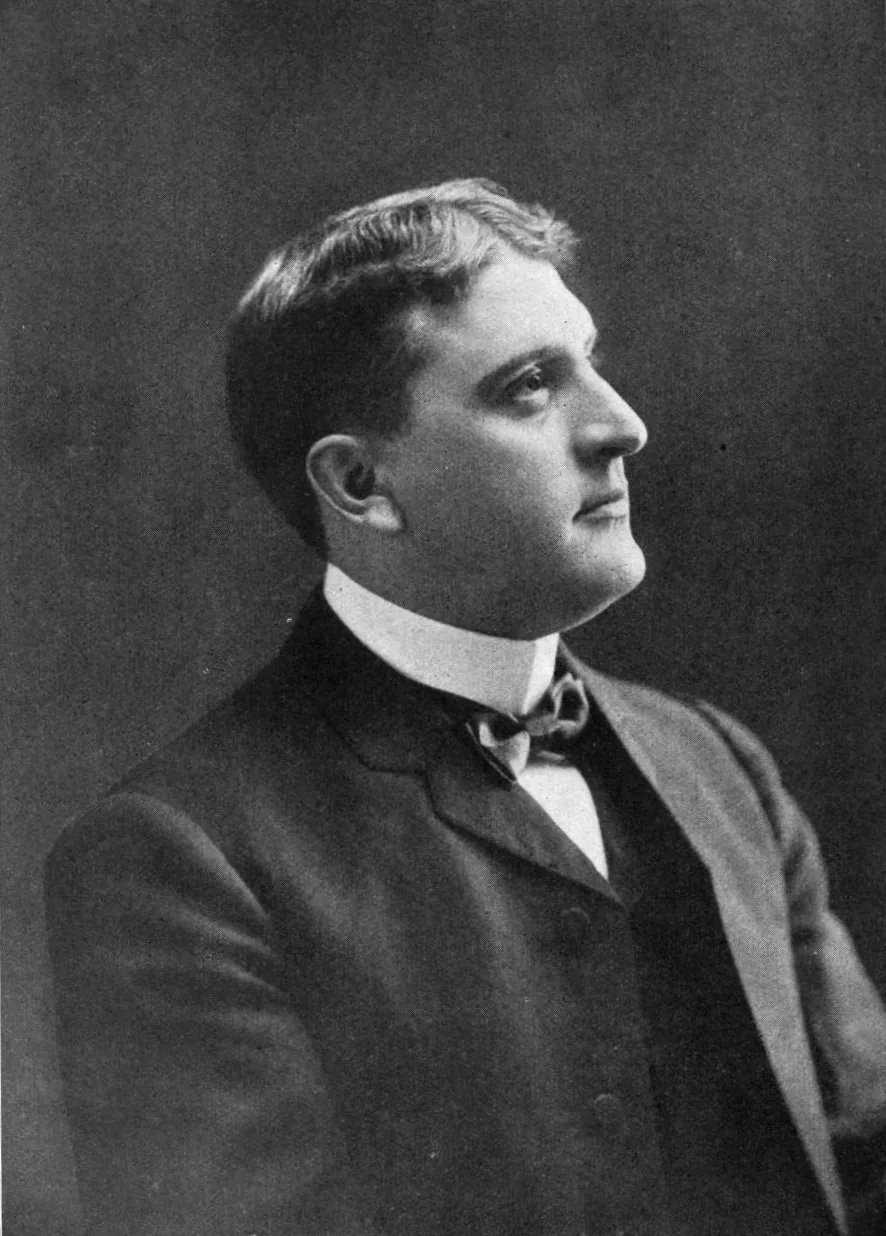
1906

The last Copper King

Augustus Heinze fought Standard Oil in court, sold out, then helped trigger the Panic of 1907.
Butte-Silver Bow Archives
Unknown photographer · Public domain
V
War & Depression
1914 – 1945
Two world wars that ran on copper, and the crash between them that silenced the mines.
1914
The war's hunger
Shells and wire drive copper up, then the Armistice breaks the price.
1915
The Company
The name that will rule Montana for seventy-five years is set.
1917
168 men below
Fire in the Speculator shaft kills 168, the worst hard-rock disaster in the country.
V · War & Depression
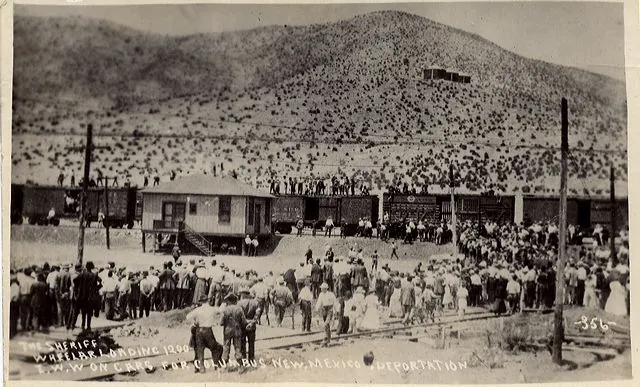
1917

Loaded into cattle cars

During a strike, a company posse seized 1,300 Bisbee miners at gunpoint and left them in the desert.
Library of Congress
Published as a postcard circa 1917. Original photographer and publisher not know · Public domain
1930
Six cents a pound
Copper collapses in the Depression and the mining towns fall silent.
V · War & Depression
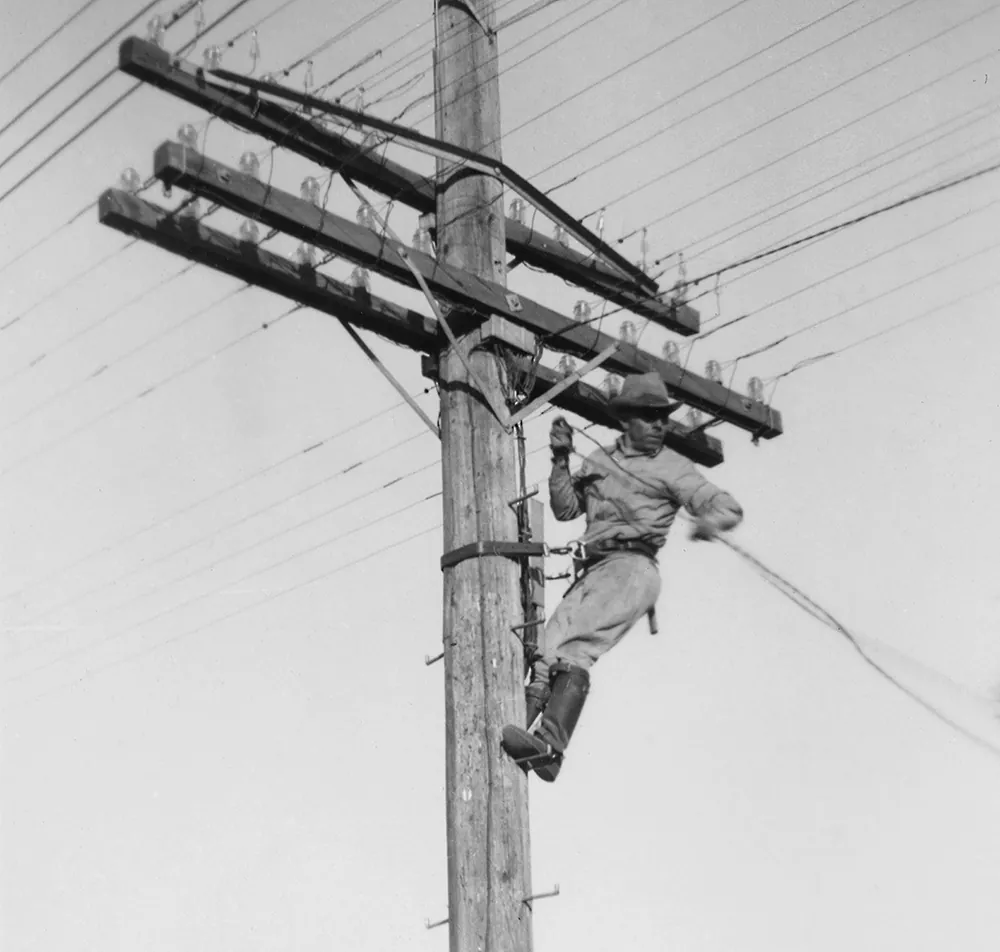
1935

Wiring the countryside

Federal co-ops string copper line to farms the utilities skipped.
Rural Electrification Administration
Wikimedia Commons · Public domain, 1940 (confirm on file page)
V · War & Depression
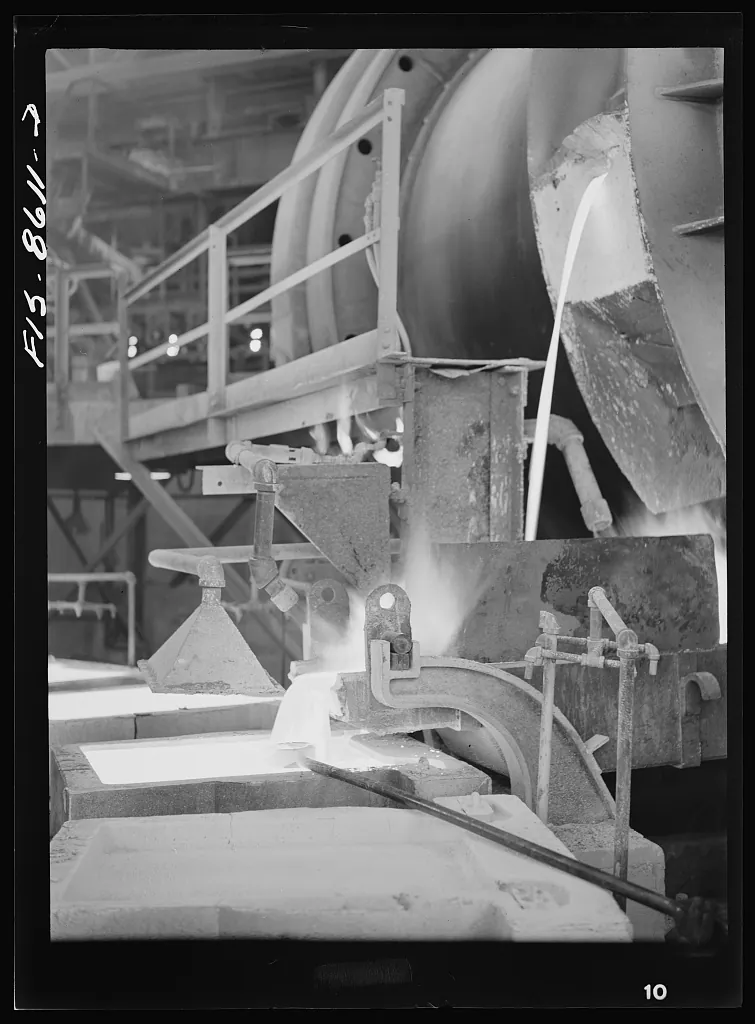
1942

Copper goes to war

Copper ran the war. Smelters poured it around the clock for shells and wiring, while scrap drives squeezed every ounce from American kitchens.
Jack Delano, FSA/OWI, Library of Congress
Jack Delano · No known restrictions (LOC, FSA/OWI)
V · War & Depression
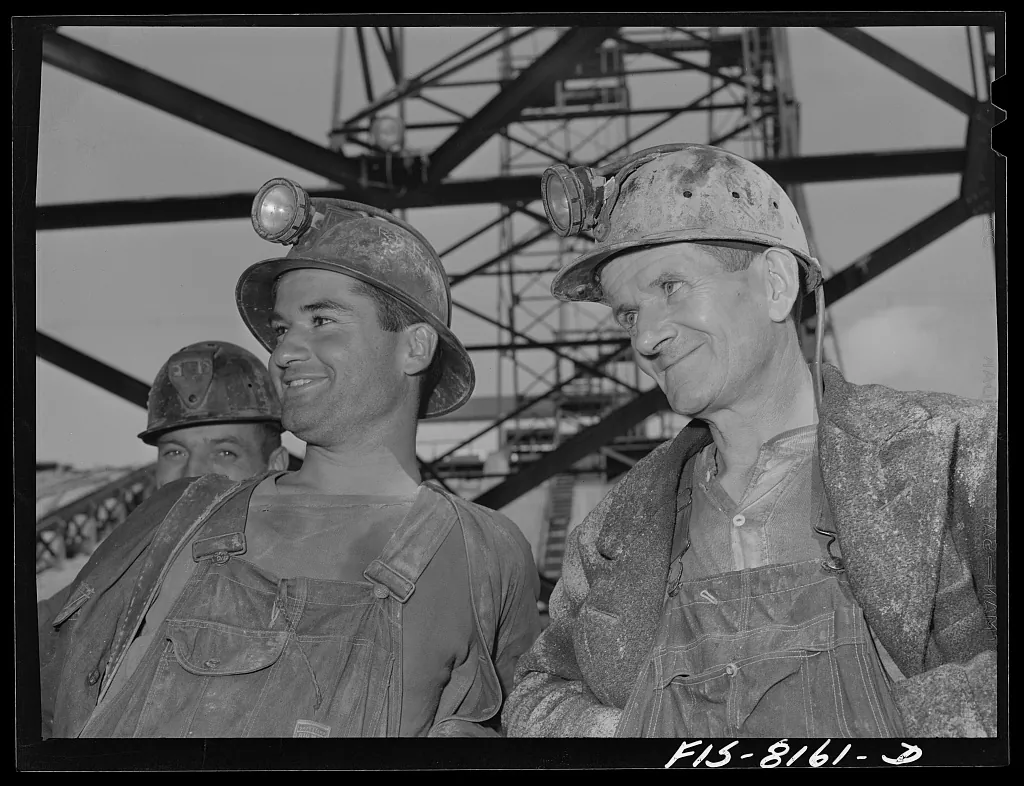
1942

The men underground

In Butte's mines, the men who dug the war's copper worked a mile beneath the Richest Hill.
Russell Lee, FSA/OWI, Library of Congress
Russell Lee · No known restrictions (LOC, FSA/OWI)
V · War & Depression
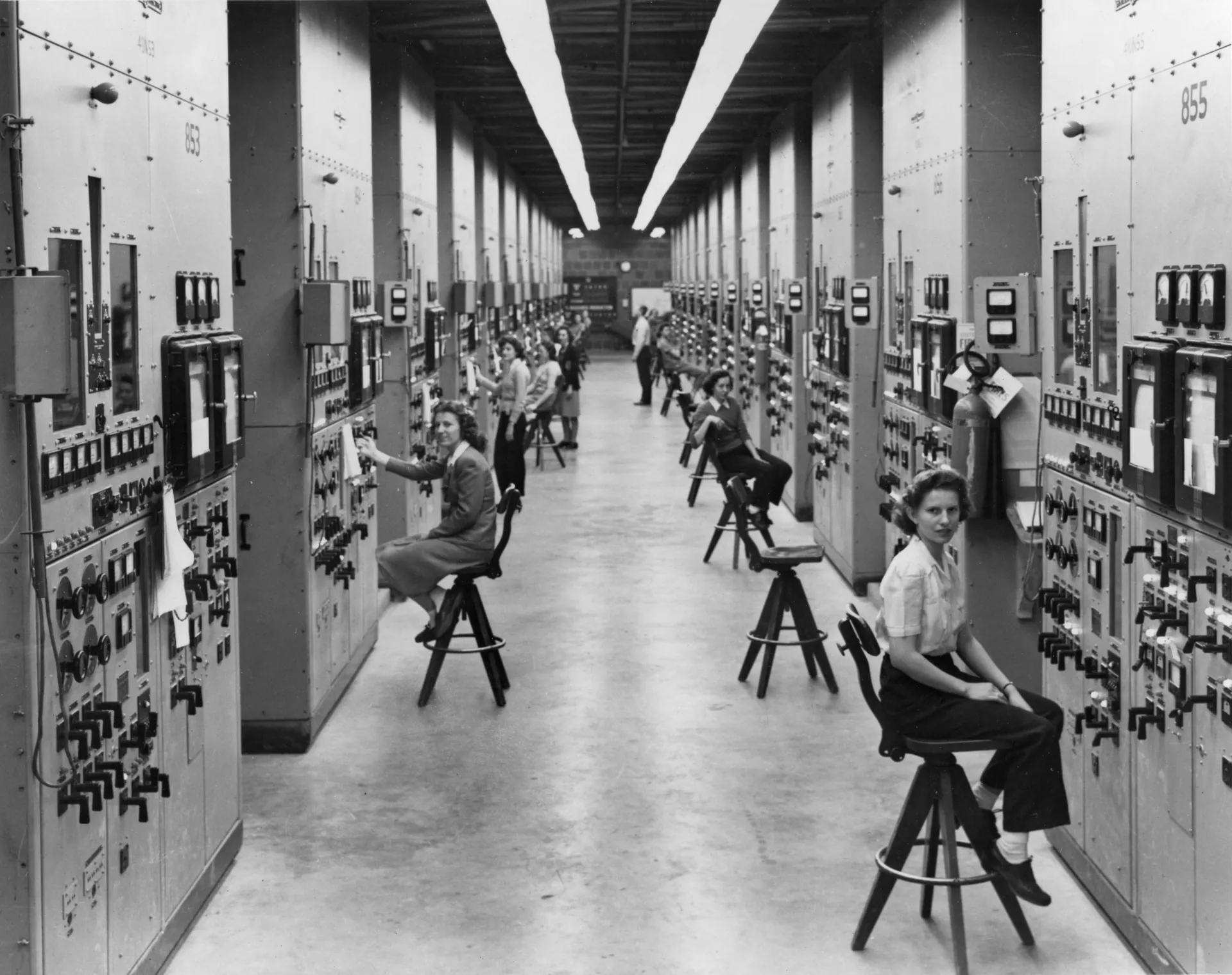
1943

The silver solution

Too short of copper to wind its atomic electromagnets, the government borrowed 14,700 tons of silver from the Treasury.
U.S. Department of Energy
doe-oakridge · Public domain
V · War & Depression
1943

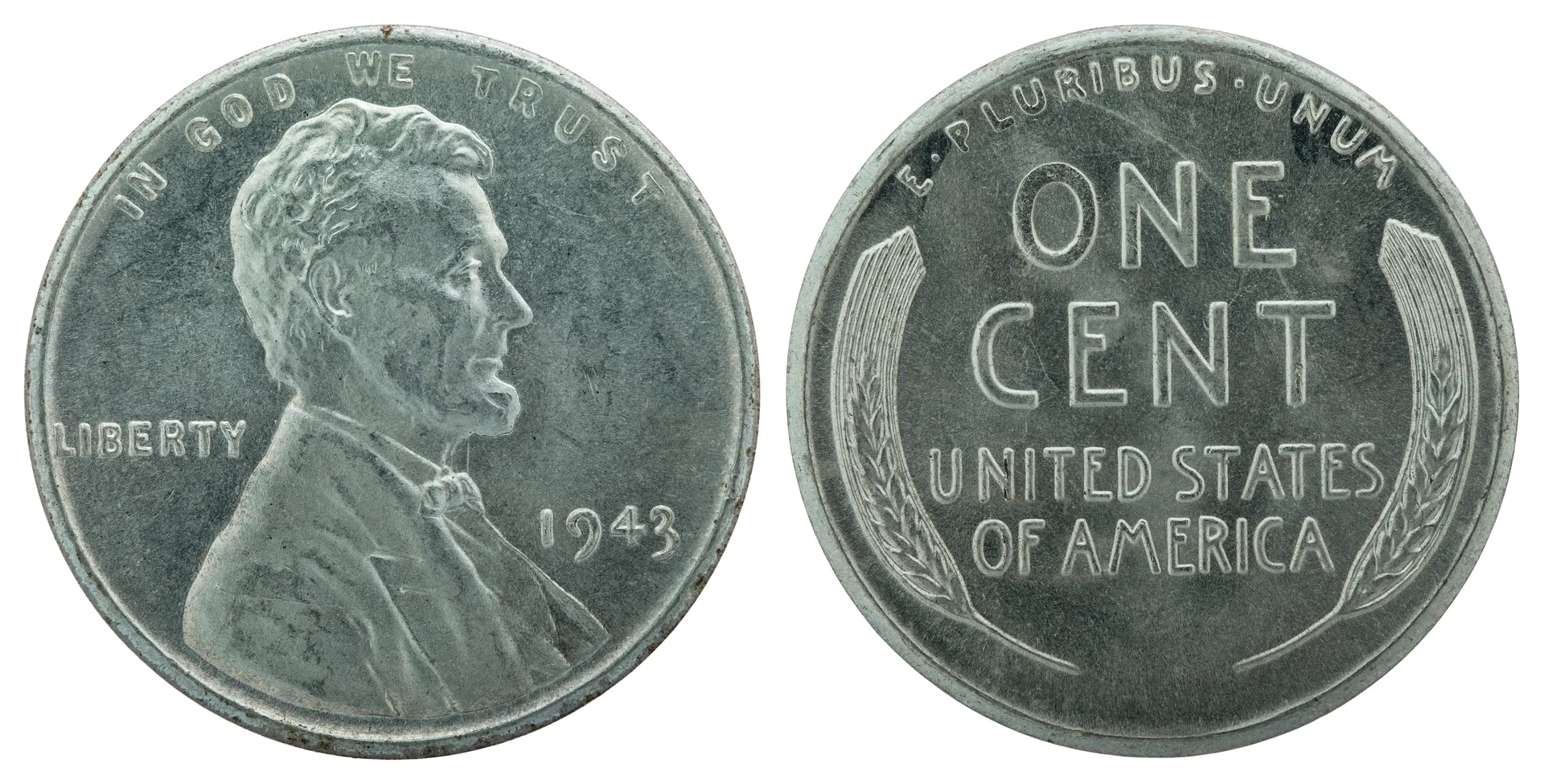
The steel penny

The Mint stamps a billion pennies from steel to save copper for the war.
Smithsonian NNC
National Numismatic Collection, Smithsonian · CC0 / Public domain
VI
Boom & Reckoning
1945 – 2019
The postwar boom, the environmental bill that came due, and the first signs of a hungrier electric future.
1950
The wired suburbs
Postwar housing, appliances, and phone lines run on copper.
1970
The reckoning
New clean-air law turns against the smelters and their smoke.
1977
Cleanup becomes the law
New federal rules require mines to restore the land and fund the cleanup, backed by bonds posted before the first blast.
1980
The Company closes
The Anaconda smelter shuts down. Butte's century of copper ends.
VI · Boom & Reckoning
1982

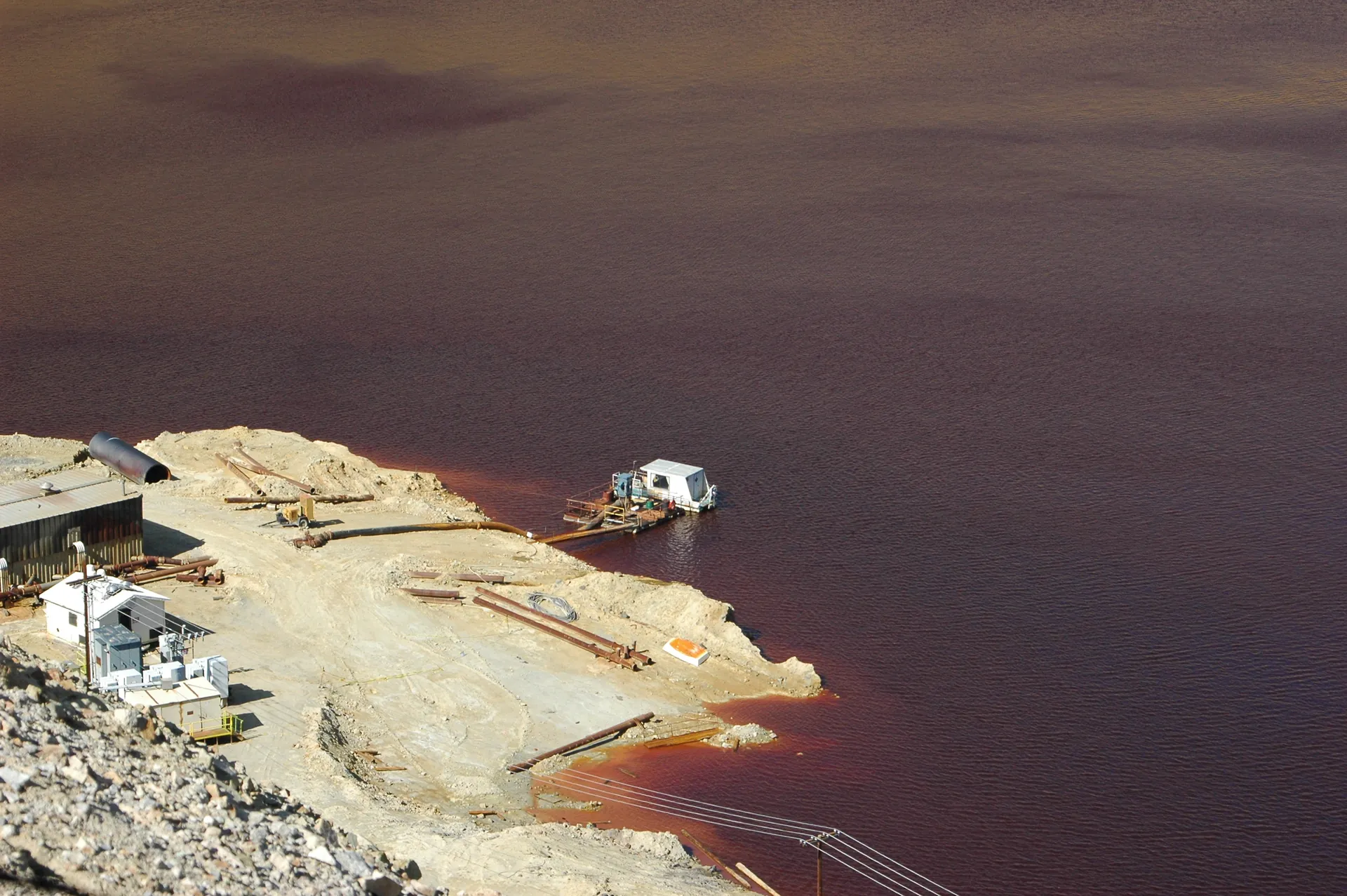
The legacy that changed the rules

Butte's Berkeley Pit filled with acid water after the pumps shut off. It became the warning that ended an era of mining and forced a stricter one to begin.
Smithsonian Magazine · U.S. EPA
Matt Dente from Seattle, United States · CC BY-SA 2.0
1995
Refining goes abroad
Smelters close and processing moves overseas, above all to China.
2000s
Dependent by default
Domestic smelting all but disappears and the country leans on imported metal.
2015
The demand curve bends
The Paris accord commits the world to decarbonize, and copper, the metal of electrification, becomes a climate story.
2019
The shortfall in view
Analysts begin warning that copper supply cannot keep pace with the coming electric economy.
VII
Reindustrialization
2020 – Today
Soaring demand, a hard look at import reliance, and a cleaner way to mine at home.
2021
No copper, no transition
The IEA names copper a bottleneck of the clean-energy shift.
2022
Demand set to double
A major study projects copper demand roughly doubling by 2035.
2020s
EVs, grids, and AI
Every new load on the electric economy pulls harder on copper.
2025
A 50% tariff
Washington taxes imported copper, calling it a matter of national security.
2025
Rich ground, foreign supply
The country that once led the world in copper now imports nearly half of it and ranks fourth.
2026
Oak Flat
Arizona's largest untapped deposit is weighed against the sacred ground above it.
Today
The metal you never lose
Copper can be recycled again and again with no loss in quality. Recycled scrap already covers a large share of what America uses.
Today
Water that runs in a loop
Modern mines recycle much of their process water and store tailings behind engineered, monitored controls.
Today
Cleaner air, safer ground
Smelters now capture the sulfur that once scarred the valleys, and a day underground is far safer than it was in 1917.
VII · Reindustrialization
Today

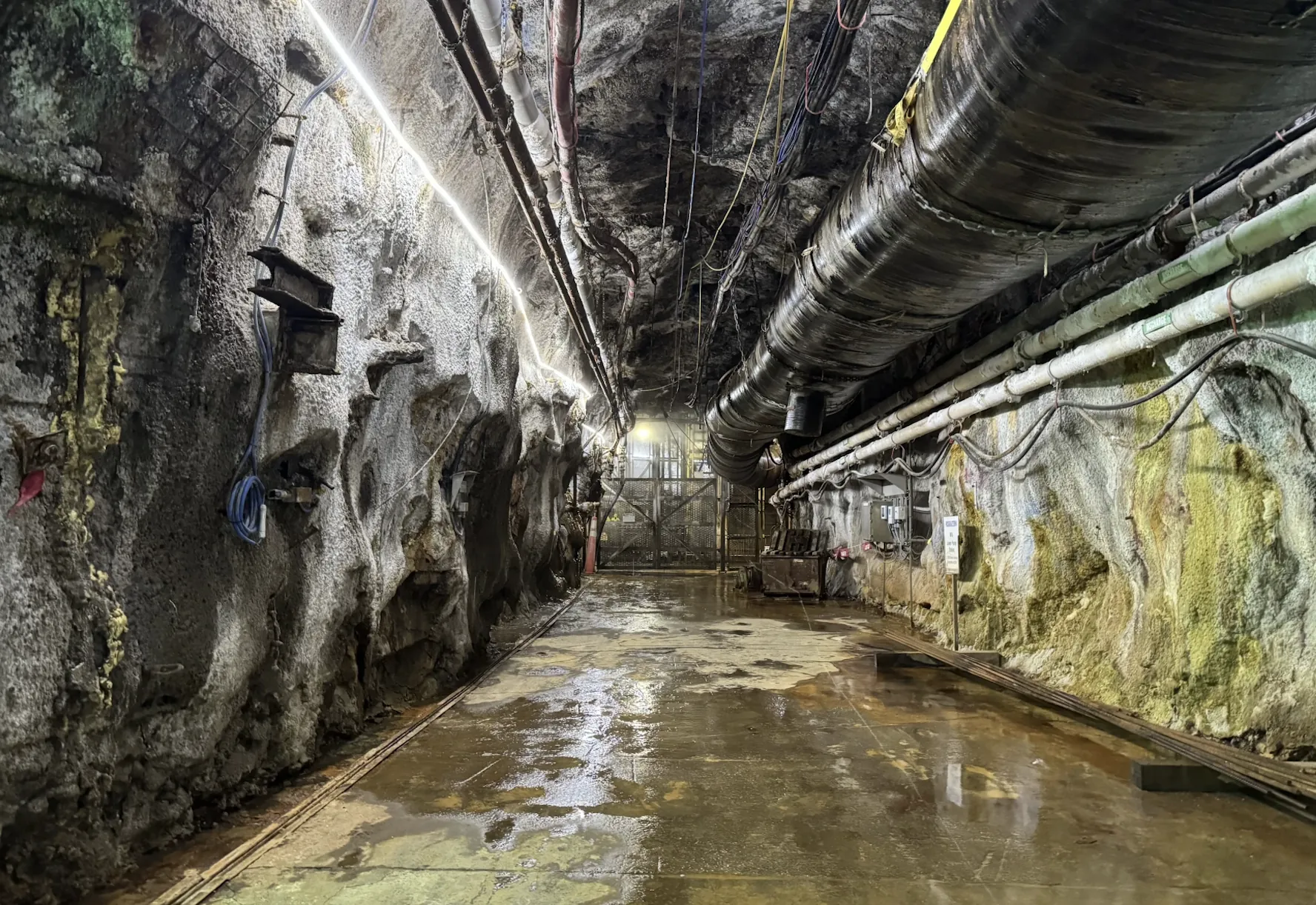
Mining, done differently

The newest American copper is coming from deep underground, not a hillside pit. Its water runs in closed loops, its plant captures the sulfur that once fouled the air, and the law requires the land to be reclaimed.

National Mining Association · USGS
Gabriel Pietrorazio/KJZZ
What comes next

The next copper century starts at home.

0%
of U.S. copper is now imported.
#0
America's rank among producers, behind Chile, Congo, and Peru.
the projected rise in demand by 2035.

The ore is still in the ground. Producing it here, to standards the old camps never met, is how the story continues.

Keep reading

Where this goes next.

The analysis
The American Copper Imperative

Why a country that still mines copper stopped making it, and what rebuilding the middle of the chain takes.

Read →
The work
What Falcon is building

Copper-dominant exploration, domestic smelting and refining, and allied supply, advanced across the whole chain rather than the easiest part of it.

Read →
To speak with the Falcon team about the work behind this story.
Contact Falcon CopperAll insights
Image credits & sources
  • Historical photographs and prints are drawn from public-domain and Creative-Commons collections, principally the Library of Congress Prints & Photographs Division, the Detroit Publishing Company Collection, Wikimedia Commons, the U.S. Geological Survey, and the Smithsonian Institution. Each image carries its own source and rights line in the caption beside it.
  • The closing photograph of a modern underground copper operation is credited to Gabriel Pietrorazio / KJZZ.
  • The narrative and dates in this feature follow Falcon Copper’s sourced timeline of copper in America; figures reproduce their original published sourcing.
Important notice

This feature is a historical narrative provided for general information and education only. Third-party figures are reproduced with their published sourcing; Falcon Copper does not independently verify third-party data and does not undertake to update it.

Nothing on this page is an offer to sell or a solicitation of an offer to buy any security, and nothing here constitutes investment, financial, legal, or tax advice. See full disclosures.

This website contains forward-looking statements. Mineral resource and reserve estimates, exploration results, and project economics are subject to the risks and uncertainties described in Falcon Copper's regulatory disclosures. Past performance of partner companies does not guarantee future results. See full disclosures.